Affordable Root Canal Treatment in Huntington Park, CA

Relieve Tooth Pain and Help Save Your Natural Teeth

At Adams Family Dentistry, we understand that the thought of a root canal procedure can make some patients nervous. Our approach focuses on evaluating the affected tooth, explaining your treatment options, and helping you feel informed throughout the process.

What Is Root Canal Treatment?

Root canal treatment, also known as root canal therapy, is a dental procedure used to treat infection or inflammation inside a tooth. The soft tissue inside the tooth, called the dental pulp, contains nerves and blood vessels. When this tissue becomes infected or severely damaged, treatment may be necessary to prevent the problem from worsening.

During a root canal procedure, your dentist removes the affected pulp, carefully cleans and disinfects the inside of the tooth, and seals the root canals with a suitable filling material.

The treated tooth can then be restored with a dental filling or crown, depending on how much natural tooth structure remains.

Dentist explaining dental implants and tooth replacement

Why Root Canal Treatment

Benefits of Root Canal Therapy

When a tooth becomes infected or severely damaged, root canal treatment may offer several important benefits.

Preserves Your Natural Tooth

Root canal treatment helps save a natural tooth that might otherwise require extraction, allowing you to maintain your existing tooth structure.

Relieves Tooth Pain

Treating inflamed or infected pulp addresses an underlying source of dental pain and discomfort.

Removes Infection

The procedure removes infected tissue and helps eliminate bacteria from inside the affected tooth.

Restores Chewing Function

Once the tooth is properly restored, it can function during everyday activities such as biting and chewing.

Maintains Natural Tooth Alignment

Keeping your natural tooth helps maintain the existing spacing between surrounding teeth and reduces the risk of shifting caused by tooth loss.

Supports Long-Term Oral Health

Proper treatment and restoration can help protect the remaining tooth structure and maintain your overall dental health.

When Should You Consider Root Canal Treatment?

Not every toothache requires a root canal. However, certain symptoms may indicate that the pulp inside your tooth is inflamed, infected, or damaged.

You may need a root canal evaluation if you experience:

If you experience facial swelling, fever, or rapidly worsening symptoms, seek prompt dental or medical attention. Difficulty breathing or swallowing requires emergency medical care.

Root Canal Treatment Types

Different Types of Root Canal Procedures

Root Canal Treatment for Front Teeth

Front teeth generally have a single root canal. Treatment involves removing the infected pulp, cleaning the canal, and sealing it to help preserve the natural tooth. These teeth may often be restored with a filling, depending on the remaining tooth structure.

Root Canal Treatment for Premolars

Premolars are located between the front teeth and molars. They may have one or more root canals, making treatment dependent on their individual anatomy and the extent of infection or damage.

Root Canal Treatment for Molars

Molars are located at the back of the mouth and are responsible for much of the chewing process. They typically have multiple roots and canals, which may require more detailed cleaning and shaping during treatment.

Root Canal Retreatment

If a previously treated tooth develops a new infection or does not heal as expected, additional treatment may be considered. Retreatment involves reopening the tooth, removing the previous filling material when appropriate, and addressing the remaining infection.
How We Do That

What Happens During a Root Canal Procedure?

Root canal treatment involves several steps to remove infected tissue, clean the inside of the tooth, and protect it from further damage.
  1. 01

    Dental Examination and Diagnosis

    Your dentist examines the affected tooth, reviews your symptoms, and may recommend dental X-rays to evaluate the roots and surrounding bone. This helps determine the extent of the damage and whether root canal treatment is appropriate.

  2. 02

    Anesthesia and Tooth Preparation

    Local anesthesia is administered to help keep you comfortable during the procedure. Your dentist then creates a small opening in the tooth to access the infected or damaged pulp.

  3. 03

    Cleaning and Sealing the Root Canals

    The affected pulp is removed, and the inside of the tooth is carefully cleaned, shaped, and disinfected. The root canals are then filled with a suitable material and sealed to help prevent bacteria from entering again.

  4. 04

    Final Restoration and Aftercare

    The opening is restored with a dental filling or, when recommended, a dental crown to protect the treated tooth. Your dentist also provides instructions for caring for the tooth and maintaining your oral health during recovery.

Proven Results

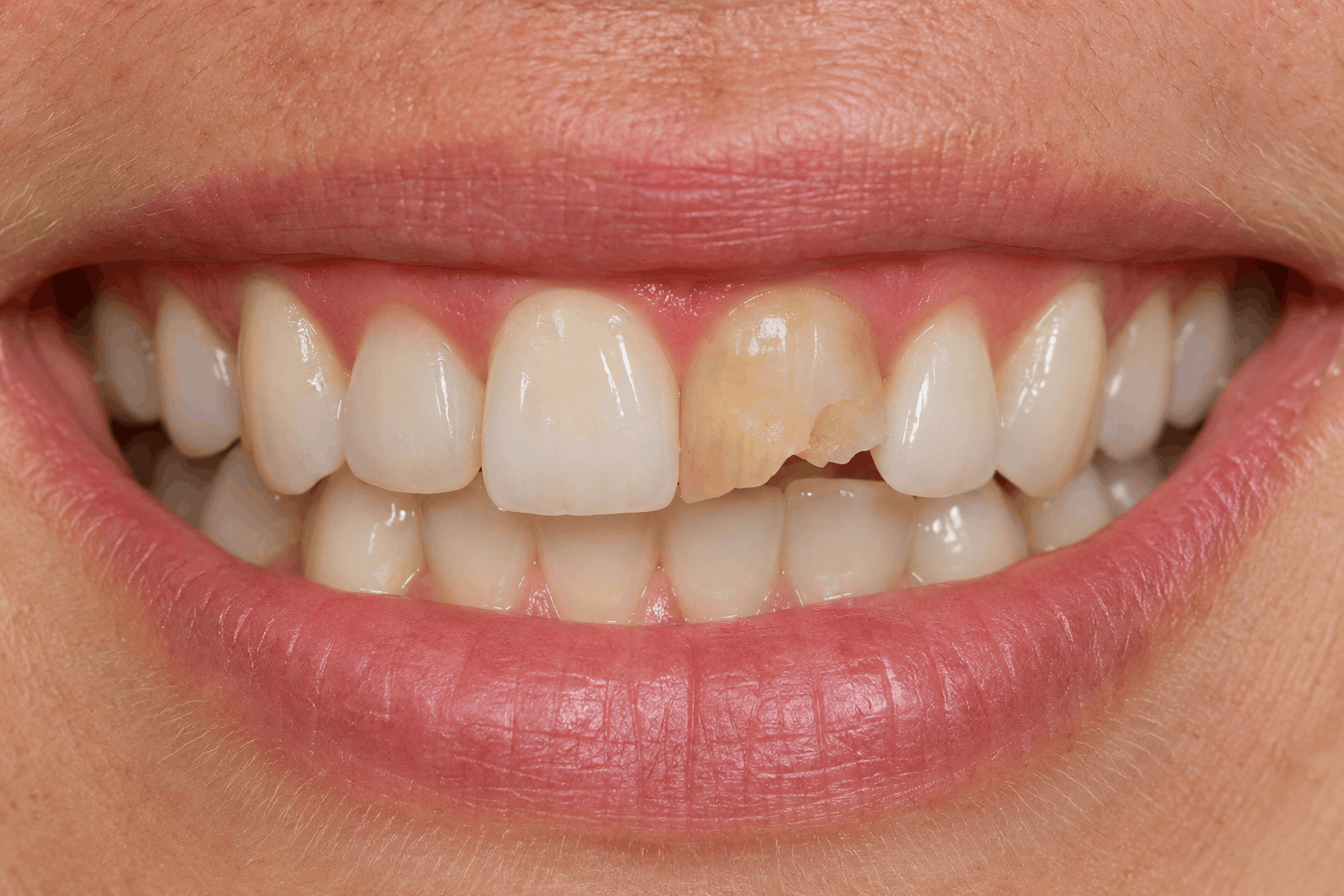
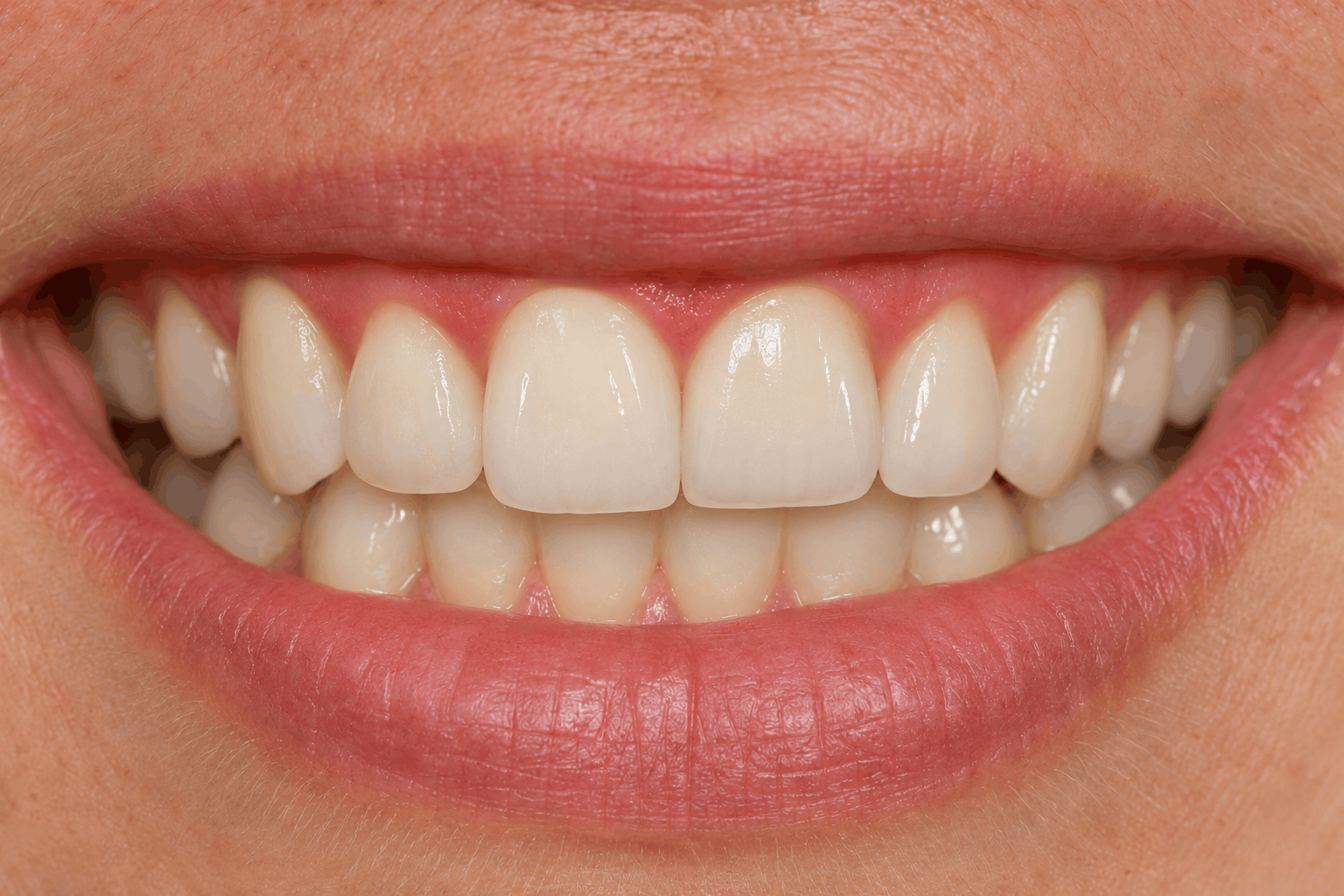
Root Canal Treatment Before and After Results

Everything You Need to Know

Frequently Asked Questions

What is a root canal and why is it needed?
A root canal is a dental procedure used to treat infected or inflamed pulp inside a tooth. It involves removing the affected tissue, cleaning the root canals, and sealing the tooth to help preserve its natural structure.

When bacteria reach the inner pulp through deep decay, cracks, or dental injuries, they can cause inflammation and infection. Without appropriate treatment, the condition may lead to an abscess or further damage to the surrounding tissues.

Root canal treatment helps address the infection while allowing you to keep your natural tooth instead of having it removed.

At Adams Family Dentistry, we evaluate each tooth individually to determine whether root canal therapy or another treatment is the most appropriate option.

Root canal treatment is generally performed using local anesthesia to help manage discomfort during the procedure. Some tenderness or sensitivity may occur afterward, but this typically improves as the tooth heals.
The duration depends on the affected tooth, the number of root canals, and the complexity of the infection. Some treatments can be completed in one appointment, while others may require additional visits.
The cost of root canal treatment depends on the tooth being treated, the complexity of the procedure, and whether a final restoration such as a dental crown is needed. Contact Adams Family Dentistry for information about treatment costs and available payment options.
A dental crown may be recommended after root canal treatment, particularly for molars and other teeth that have lost significant structure. A crown helps protect the treated tooth from further damage. Your dentist will determine the appropriate restoration based on your tooth’s condition.
A properly treated and restored tooth can last many years. Its longevity depends on the quality of the restoration, oral hygiene, regular dental checkups, and avoiding excessive pressure on the tooth.
If you experience severe tooth pain, swelling, or signs of dental infection, contact a dental office promptly for an evaluation. Your dentist can determine whether urgent root canal treatment or another intervention is needed. Availability depends on the practice’s appointment schedule.
An untreated infected tooth may continue to deteriorate, and the infection can spread into surrounding tissues. This may lead to an abscess, increased pain, bone damage, or eventual tooth loss. Early dental evaluation helps determine the appropriate treatment.

Get Relief from Tooth Pain with Root Canal Treatment

At Adams Family Dentistry, we help patients understand their dental concerns and explore appropriate treatment options to protect their natural teeth.
If you’re searching for affordable root canal treatment or a root canal dentist in Huntington Park, CA, contact Adams Family Dentistry to schedule an appointment.