Best Pediatric Dentistry in Huntington Park, CA
Gentle Dental Care for Growing Smiles
What Is Pediatric Dentistry?
Pediatric dentistry focuses on maintaining children’s oral health from infancy through adolescence. It involves preventive care, dental examinations, cavity treatment, and guidance to support healthy teeth and gums as children grow.
Children’s teeth go through several developmental stages, from the appearance of their first baby teeth to the transition toward permanent teeth. Regular dental visits help monitor this development and identify potential concerns before they become more complicated.
Dentistry for kids also focuses on teaching children proper brushing and flossing habits, encouraging healthy eating choices, and helping them feel comfortable during dental appointments.
At Adams Family Dentistry, we understand that every child has different dental needs. Our team aims to make dental visits welcoming while helping parents make informed decisions about their children’s oral health.
Why Pediatric Dentistry
Benefits of Regular Dental Care for Children
Early Cavity Detection
Healthy Tooth Development
Prevention of Dental Problems
Better Oral Hygiene Habits
Comfortable Dental Experiences
Guidance for Parents
Signs Your Child May Need Dental Care
Children may not always recognize or communicate dental problems. Some concerns can develop gradually without obvious discomfort, making regular dental examinations important.
Consider scheduling a dental appointment if your child experiences:
- Toothache or Dental Pain: Complaints of tooth pain or discomfort while eating, drinking, or brushing may indicate tooth decay or another dental concern.
- Visible Cavities or Dark Spots: Brown, black, or white spots on the teeth may be signs of early tooth decay that need professional evaluation.
- Sensitive Teeth: Discomfort when consuming hot, cold, or sweet foods and beverages may indicate enamel problems or tooth decay.
- Bleeding or Swollen Gums: Redness, tenderness, or bleeding around the gums may be associated with gum inflammation or inadequate oral hygiene.
- Difficulty Chewing: Avoiding certain foods or experiencing pain while chewing may indicate tooth damage or other dental problems.
- Delayed or Unusual Tooth Development: Concerns about baby teeth falling out, permanent teeth emerging, or unusual tooth positioning may require a dental examination.
- Dental Injuries: A chipped, cracked, displaced, or knocked-out tooth following an accident or sports injury requires prompt dental assessment.
Pediatric Dental Treatments Types
Common Pediatric Dental Treatments

Children's Dental Examinations and Cleanings
Regular dental examinations help monitor your child's teeth, gums, and oral development. Professional cleanings remove plaque and buildup, helping maintain good oral hygiene and identify potential concerns early.

Fluoride Treatments and Dental Sealants
Fluoride treatments help strengthen tooth enamel and make teeth more resistant to decay. Dental sealants create a protective coating over the chewing surfaces of back teeth, helping prevent cavities in areas that are difficult to clean.

Pediatric Tooth Fillings
When a child develops a cavity, a dental filling may be recommended to remove the decayed portion and restore the affected tooth. Treating cavities helps preserve the tooth and maintain comfortable chewing.

Emergency Pediatric Dental Care
Dental emergencies such as tooth injuries, severe toothaches, or swelling require prompt attention. A dental examination helps determine the extent of the problem and the appropriate next steps.
How We Do That
Step-by-Step Pediatric Dental Visit Process
-
01
Initial Consultation and Dental Examination
Your dentist discusses your child's dental history, current concerns, and oral hygiene habits. The examination includes checking the teeth, gums, bite, and overall oral development. Dental X-rays may be recommended when clinically necessary.
-
02
Professional Cleaning and Preventive Care
Depending on your child's needs, a professional cleaning may be performed to remove plaque and buildup. Your dentist may also recommend preventive treatments such as fluoride applications or dental sealants.
-
03
Recommended Dental Treatment
If cavities, damaged teeth, or other concerns are identified, your dentist explains the recommended treatment options. The appropriate approach depends on your child's age, dental development, and individual oral health needs.
-
04
Oral Hygiene Guidance and Follow-Up
Your dental team provides age-appropriate recommendations for brushing, flossing, and healthy eating habits. You will also receive guidance about future checkups and any additional treatment that may be needed.
Proven Results
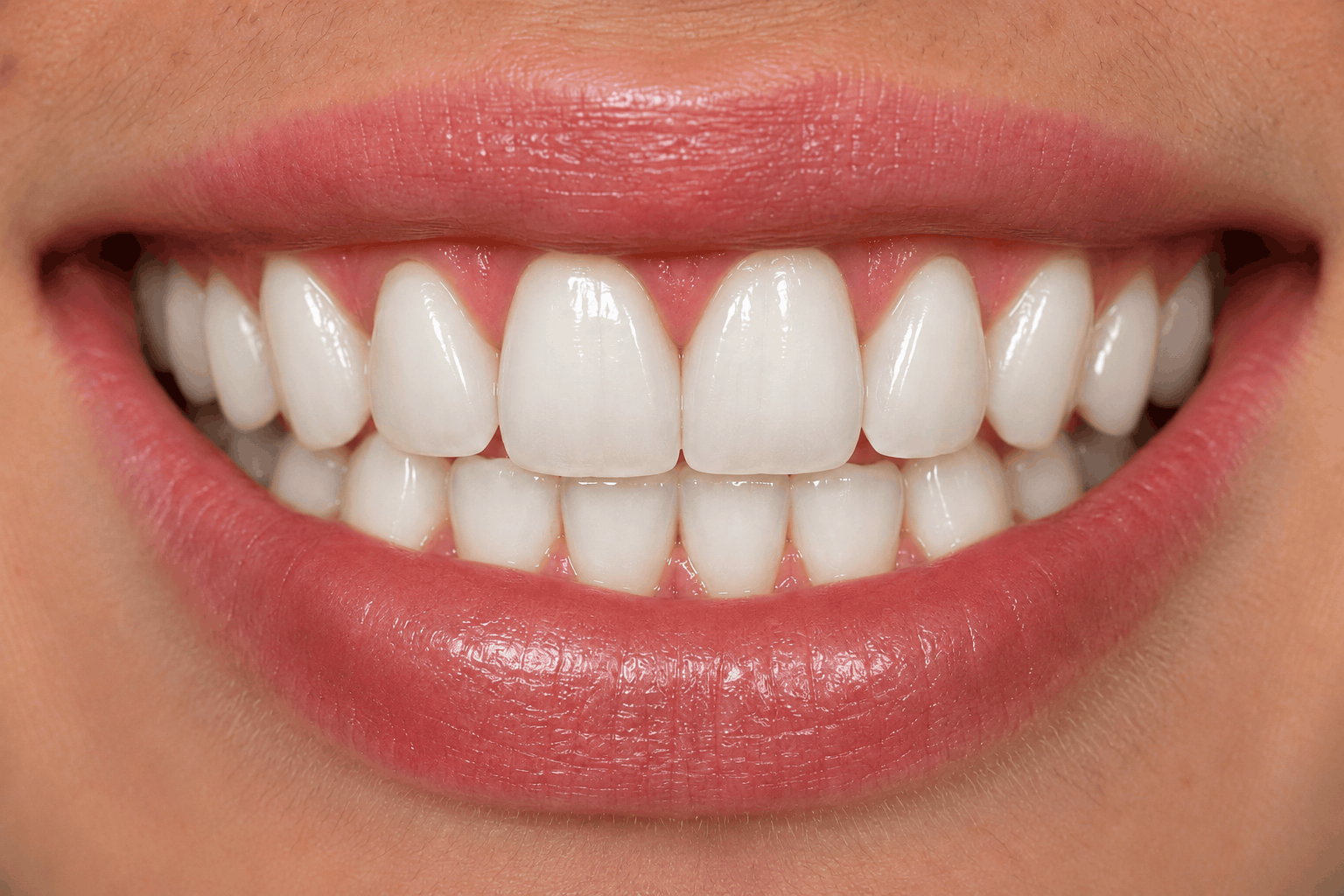
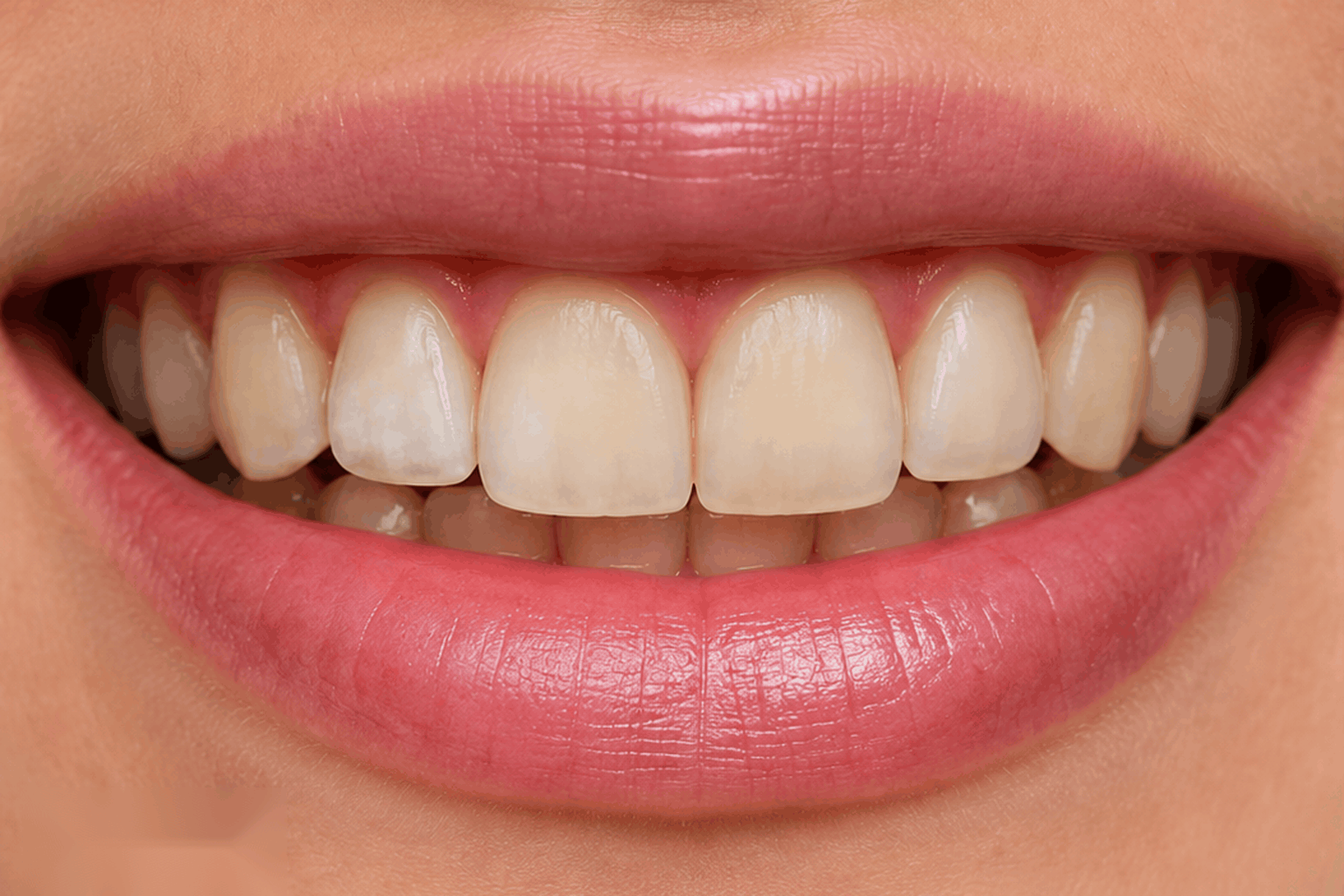
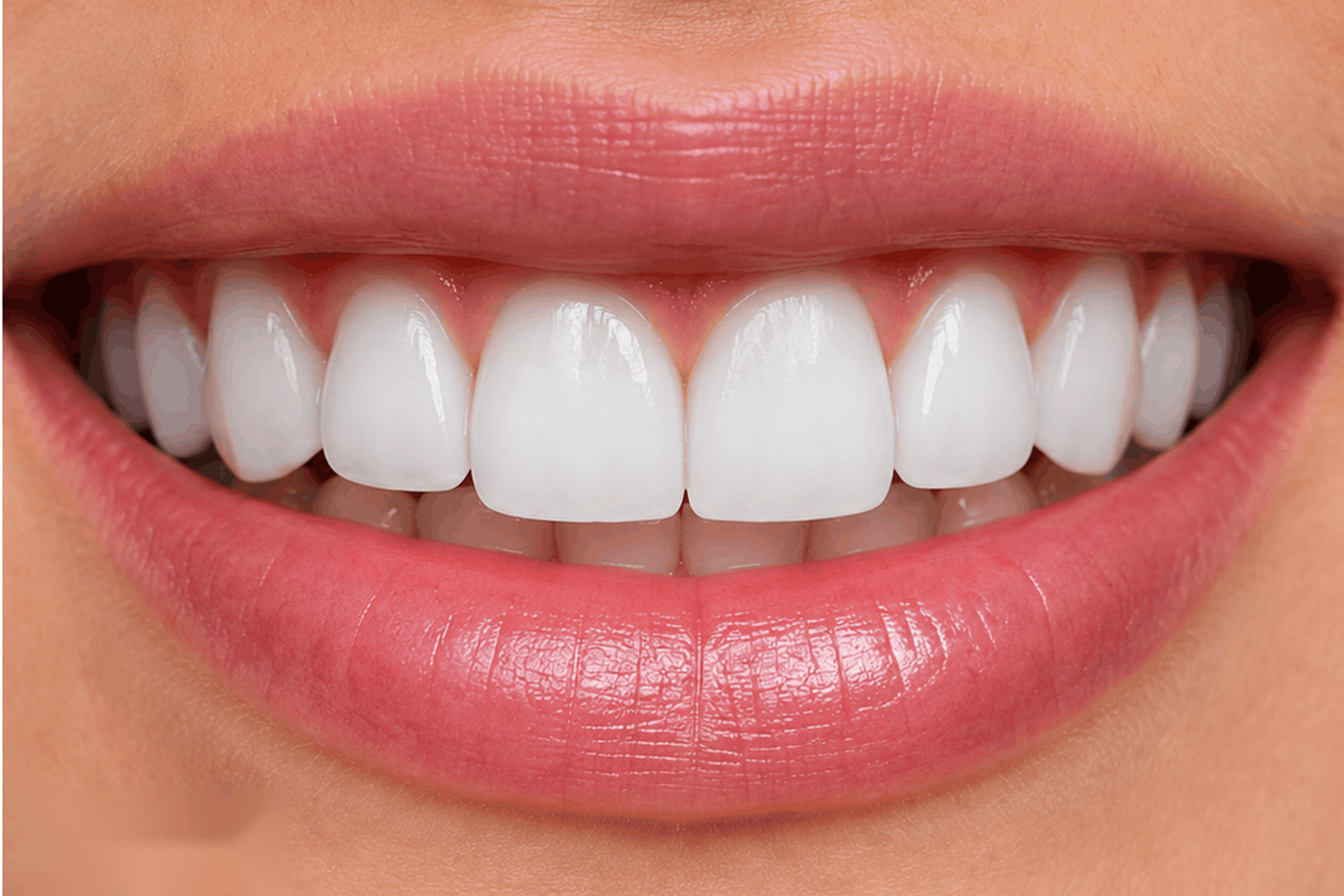
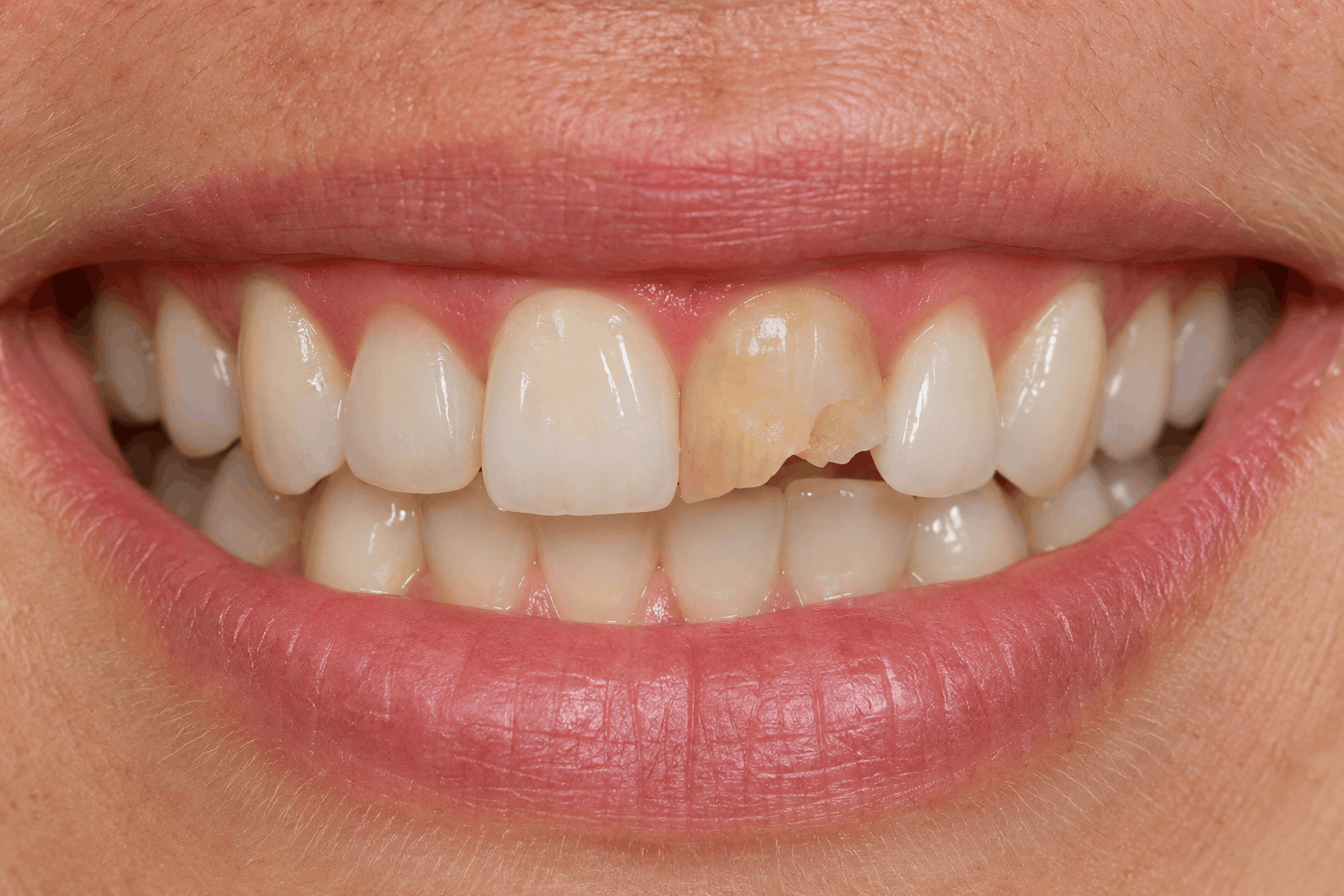
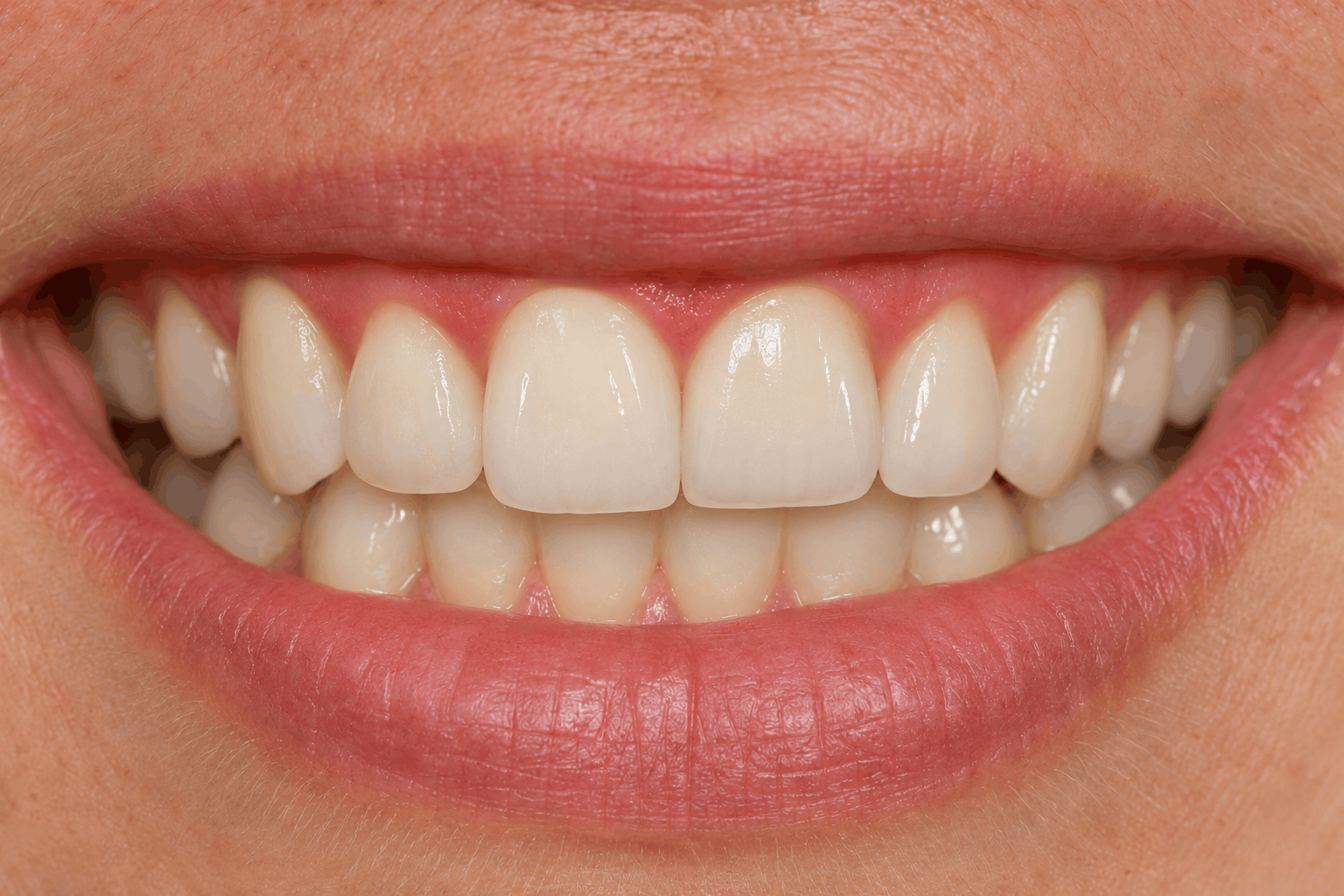
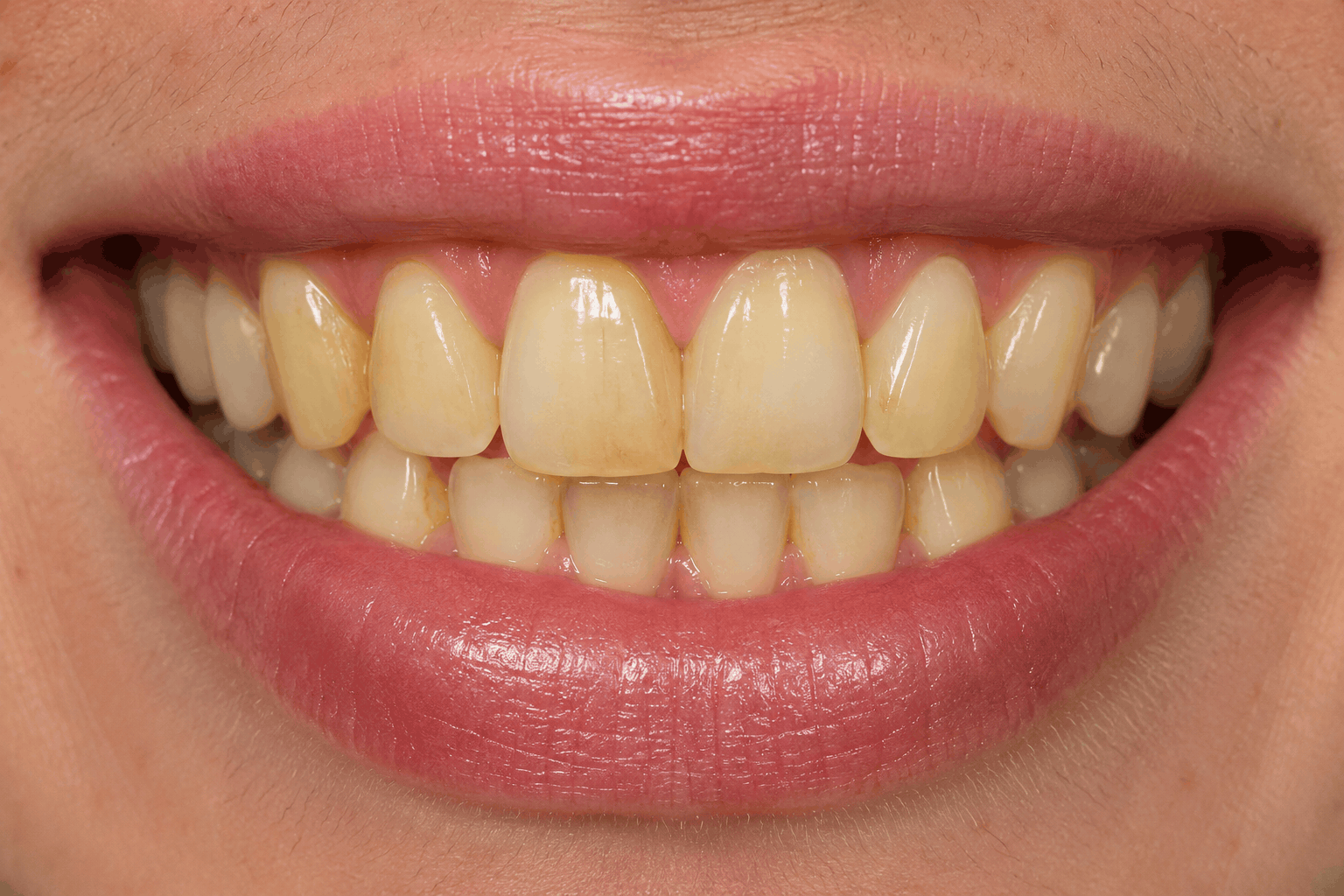
Pediatric Dental Before & After