
Affordable Dental Sedation in Huntington Park, CA
Relax and Feel Comfortable During Your Dental Treatment
What Is Dental Sedation?
Dental sedation is a method used to help patients feel relaxed and more comfortable during dental procedures. Depending on the type of sedation, it may reduce anxiety, promote relaxation, and make it easier to receive necessary dental care.
Sedation dentistry can be helpful for patients who feel nervous about dental appointments, have difficulty sitting comfortably during treatment, or need multiple dental procedures.
Why Dental Sedation
Benefits of Sedation Dentistry
Helps Reduce Dental Anxiety
Improves Treatment Comfort
Helps Patients With Dental Sensitivity
Supports Multiple Dental Procedures
When Should You Consider Dental Sedation?
Dental sedation is not necessary for every patient. However, it may be worth discussing with your dentist if you experience anxiety or difficulty during dental treatment.
You may benefit from discussing sedation dentistry if you experience:
- Feeling nervous, stressed, or fearful before or during dental appointments.
- Difficulty tolerating dental instruments or procedures because of an easily triggered gag reflex.
- Finding it challenging to remain comfortable during longer dental procedures.
- Past uncomfortable or stressful dental visits that make you hesitant to receive treatment.
- Needing several treatments that may require longer or more involved appointments.
- Feeling uncomfortable with dental sounds, instruments, or the overall treatment environment.
- Experiencing physical tension or significant worry when visiting the dentist.
Sedation Dentistry Types
Types of Sedation Dentistry

Nitrous Oxide Sedation
Also known as laughing gas, nitrous oxide is inhaled through a small nasal mask. It can help patients feel relaxed during treatment, and its effects generally wear off relatively quickly after administration stops.

Oral Sedation
Oral sedation involves prescribed medication taken before a dental appointment. It may help reduce anxiety and promote relaxation. Patients may feel drowsy and will generally need someone to drive them home.

IV Sedation
Intravenous sedation delivers medication through a vein and allows a qualified provider to adjust sedation levels during treatment. It requires appropriate monitoring and trained professionals.

General Anesthesia
General anesthesia produces a state of unconsciousness and requires specialized equipment, monitoring, and qualified anesthesia professionals. It is generally reserved for specific clinical situations.
How We Do That
What Happens During a Dental Sedation Appointment?
-
01
Consultation and Medical Review
Your dentist discusses your dental concerns, anxiety levels, medical history, current medications, and previous experiences with dental treatment. This evaluation helps determine whether dental sedation may be appropriate for your needs.
-
02
Choosing the Right Sedation Option
Based on your health history and treatment requirements, your dental team discusses suitable sedation options. You will receive information about the recommended method, its expected effects, and any necessary preparation instructions.
-
03
Preparation and Monitoring
Before treatment, you follow the instructions provided by your dental team. During the appointment, your comfort and condition are monitored according to the selected sedation method and clinical requirements.
-
04
Dental Treatment and Recovery
Your planned dental procedure is performed using the agreed sedation approach. After treatment, your dental team provides recovery instructions, including any necessary precautions, transportation arrangements, and follow-up recommendations.
Proven Results
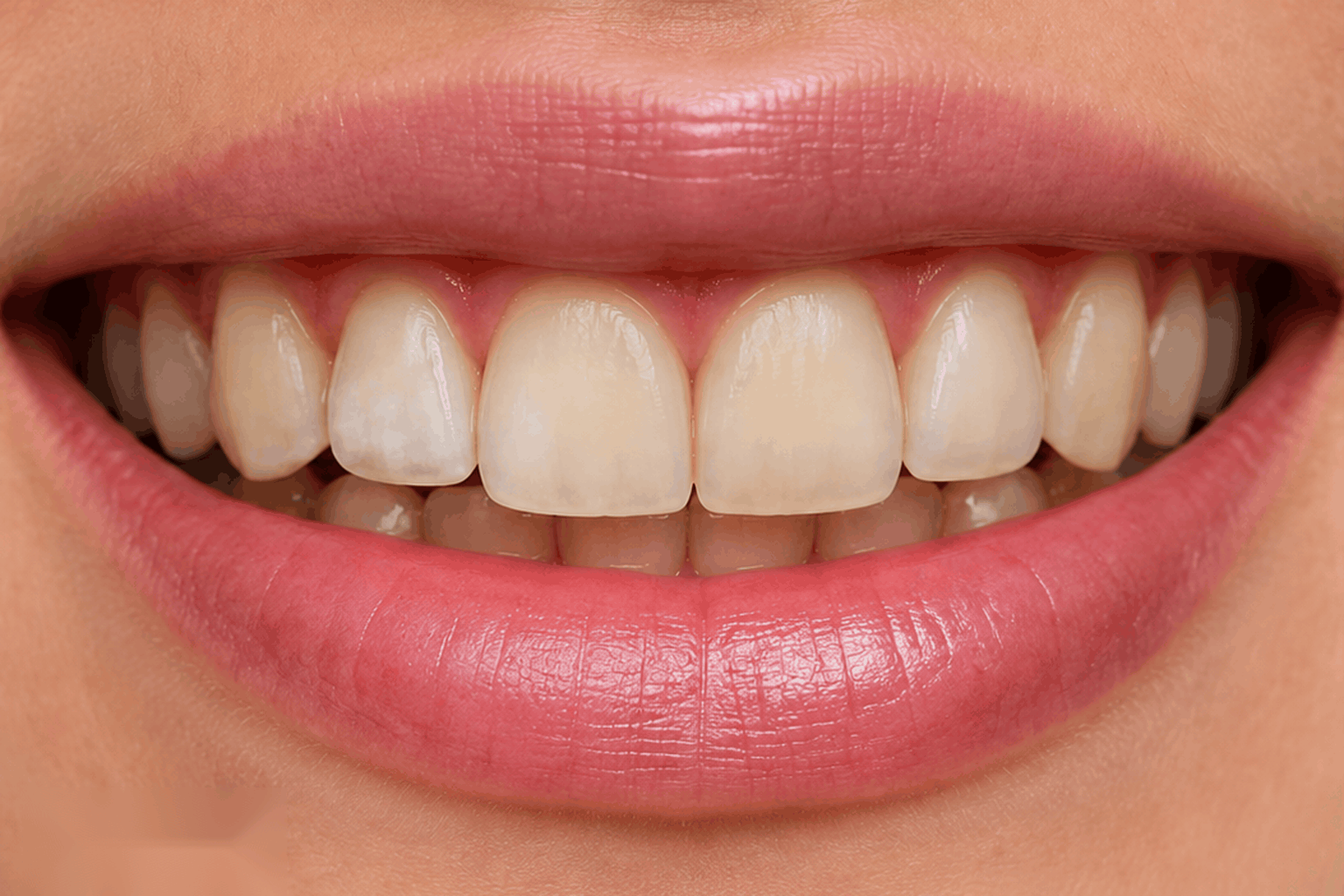
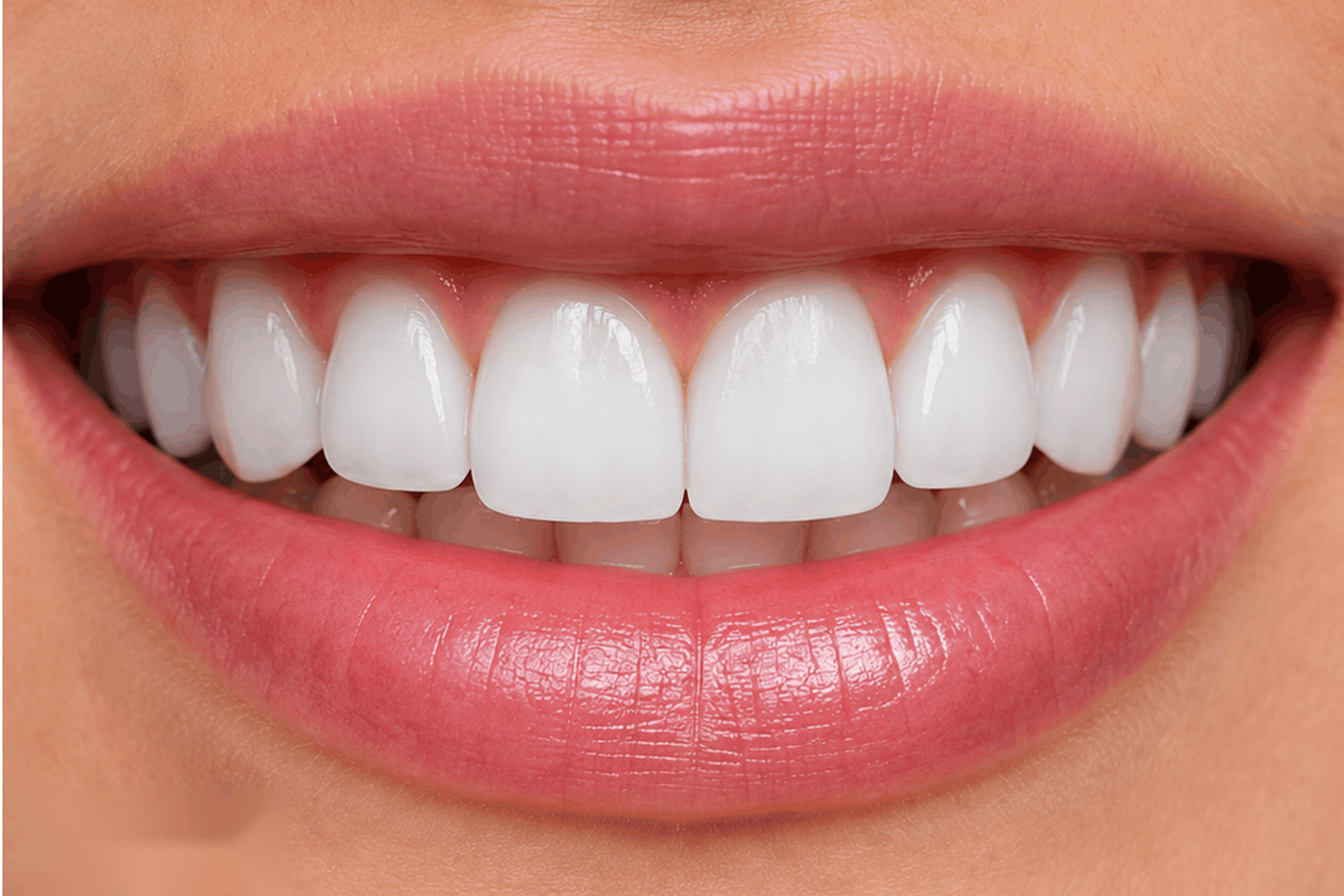
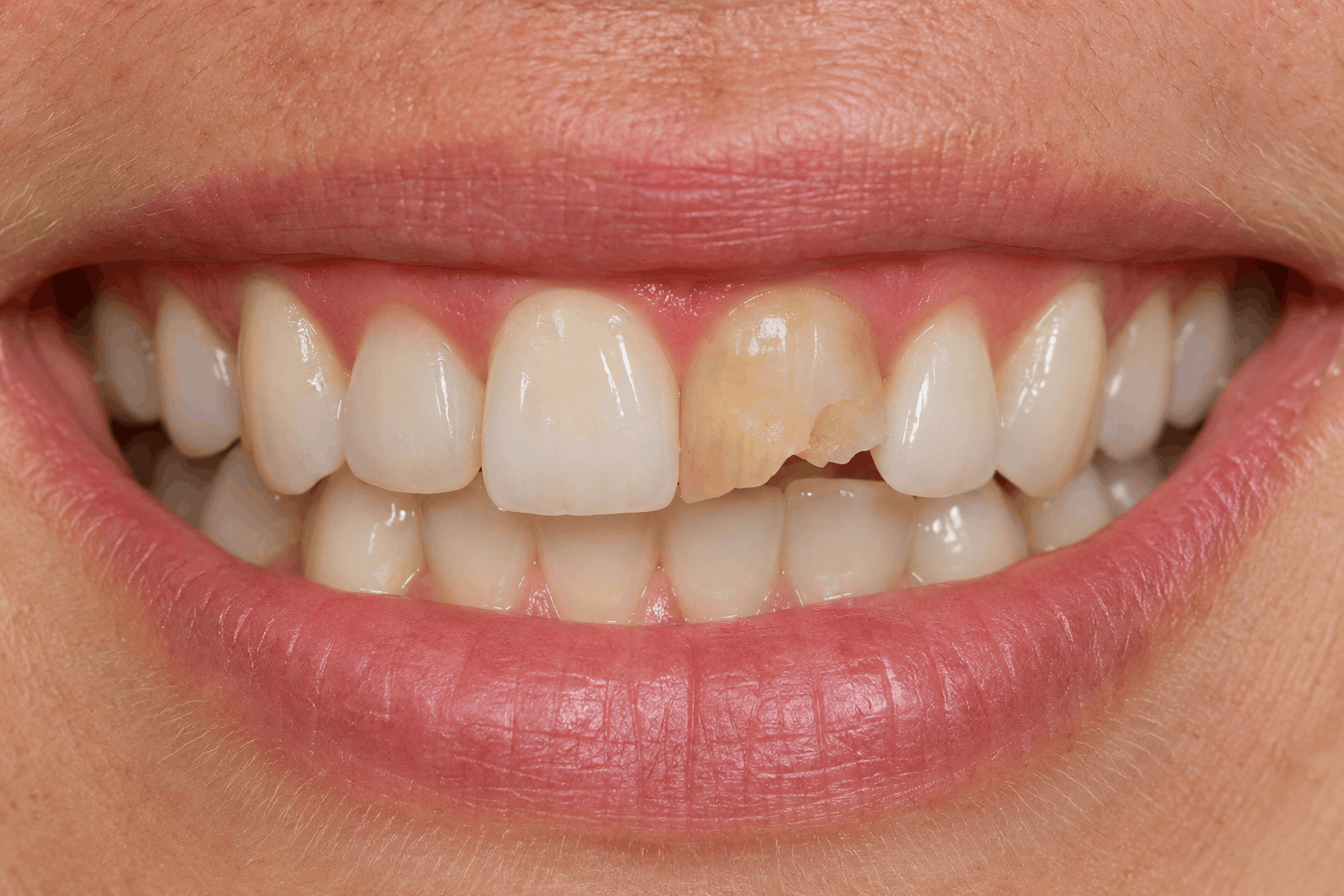
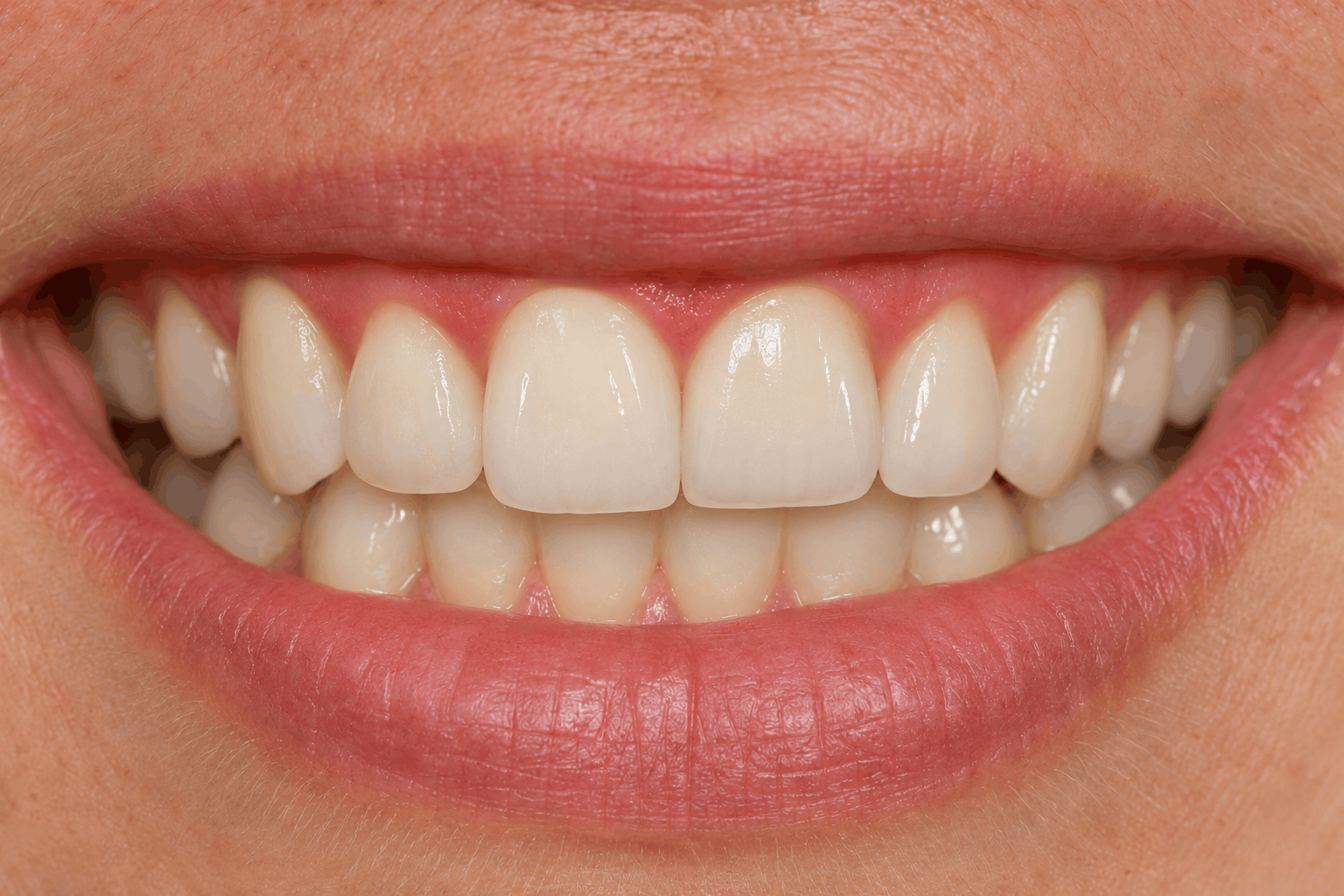
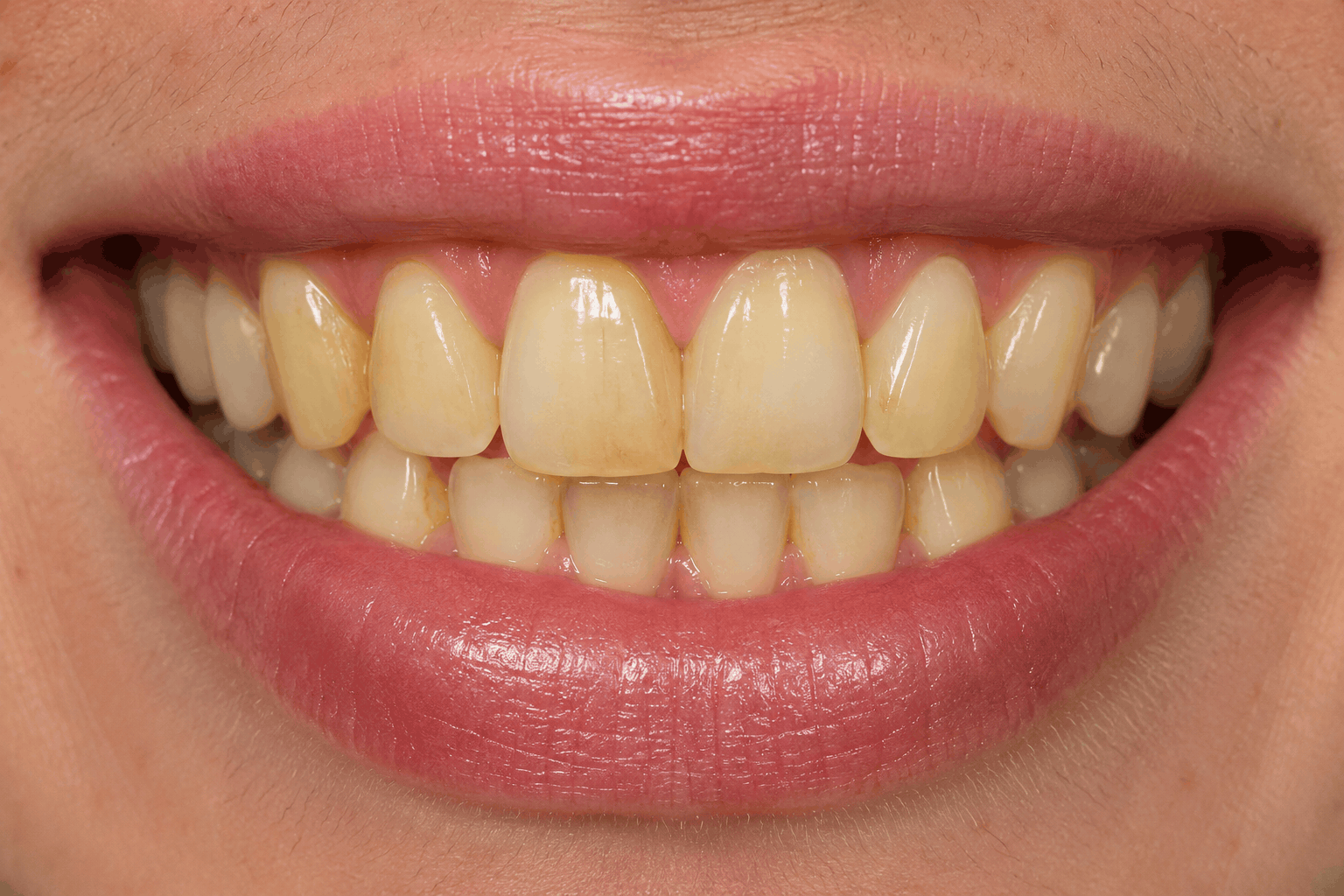
Sedation Dentistry Before & After