Oral Surgery in Huntington Park, CA
Comfortable and Personalized Dental Surgical Care
What Is Oral Surgery?
Oral surgery refers to dental procedures performed to diagnose or treat conditions affecting the teeth, gums, jawbone, and surrounding oral structures. Depending on the patient’s condition, dental surgery may be recommended to remove damaged teeth, address impacted teeth, or treat other problems that cannot be managed with routine dental procedures.
Some oral operations are relatively straightforward, while others require more detailed planning and specialized care.
At Adams Family Dentistry, we evaluate your oral health, discuss your concerns, and explain suitable treatment options. If your condition requires specialized surgical care, your dentist can discuss whether a referral to an oral surgeon is appropriate.
Why Oral Surgery
Benefits of Oral Surgery
Pain Relief
Impacted Tooth Treatment
Swollen or Infected Gums
Severely Damaged Teeth
Difficulty Chewing
Recurring Dental Infections
When Might You Need Oral Surgery?
Not every dental problem requires surgery. However, certain conditions may need surgical evaluation when routine dental treatments are not sufficient.
You may need an oral surgery consultation if you experience:
- Persistent or significant tooth pain that may be associated with extensive damage, infection, or other dental conditions.
- Wisdom teeth that do not have enough room to emerge properly and may cause discomfort or other complications.
- Gum swelling, tenderness, or signs of infection around a tooth that may require further evaluation.
- Teeth that are extensively broken or decayed and may not be suitable for restoration.
- Discomfort or difficulty chewing caused by problematic teeth or other oral conditions.
- Repeated infections around a tooth that may require additional treatment to address the underlying cause.
- Teeth that are trapped beneath the gums or growing in an unusual position and may need surgical assessment.
Oral Surgery Types
Common Types of Oral Surgery

Tooth Extractions
Tooth extraction involves removing a tooth that is severely damaged, decayed, infected, or otherwise unsuitable for restoration. Your dentist evaluates the tooth before recommending removal.

Wisdom Teeth Removal
Wisdom teeth removal may be recommended when third molars become impacted, cause discomfort, or contribute to other dental problems. Treatment depends on their position and condition.

Surgical Tooth Extractions
Some teeth cannot be removed through a routine extraction. Surgical extraction may involve accessing a tooth beneath the gum or removing a broken tooth in sections.

Impacted Tooth Treatment
An impacted tooth remains partially or completely beneath the gum. Depending on its location and condition, treatment may involve surgical evaluation and removal or other specialist care.
How We Do That
What Happens During an Oral Surgery Appointment?
-
01
Consultation and Examination
Your dentist evaluates your teeth, gums, and overall oral health. Dental X-rays or other imaging may be recommended to understand the affected area and determine suitable treatment options.
-
02
Treatment Planning and Preparation
After reviewing your condition, your dentist explains the recommended procedure, available treatment options, and any preparation instructions you may need to follow.
-
03
Oral Surgery Procedure
The procedure is performed using an appropriate approach based on your treatment needs. Local anesthesia or other suitable comfort measures may be discussed depending on the procedure.
-
04
Recovery and Aftercare Instructions
After treatment, you receive instructions regarding oral hygiene, eating, activity restrictions, and follow-up care to support healing and recovery.
Proven Results
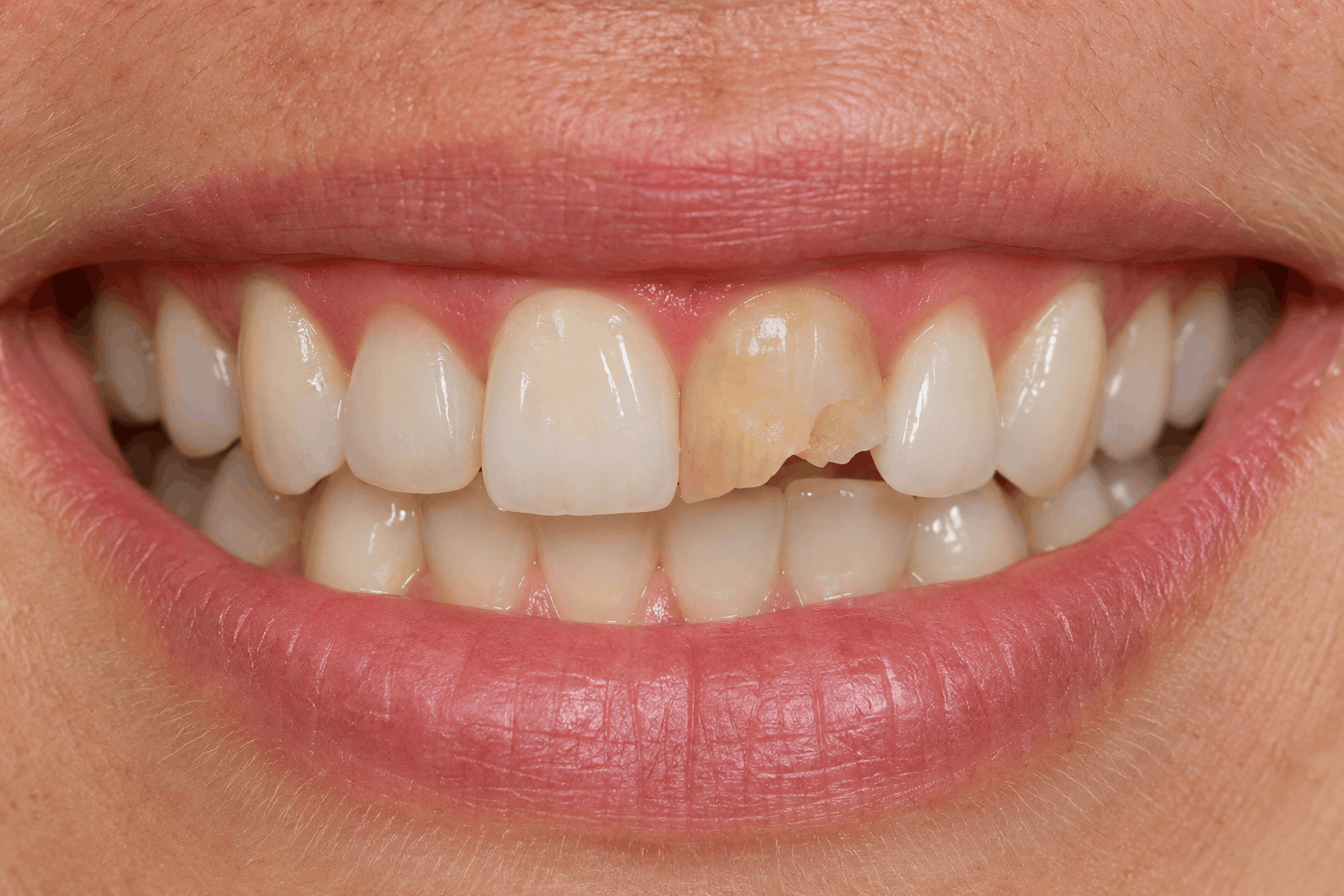
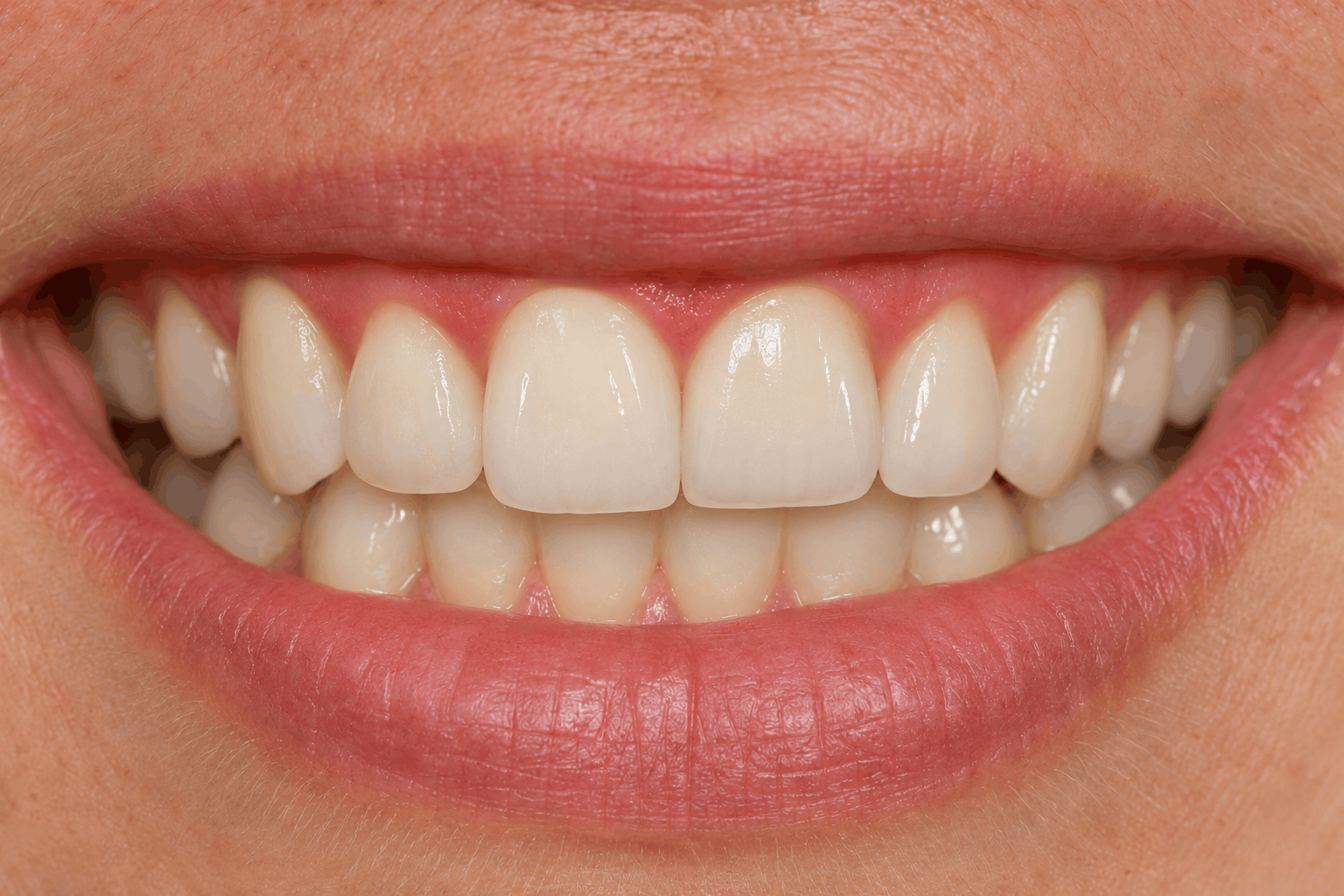
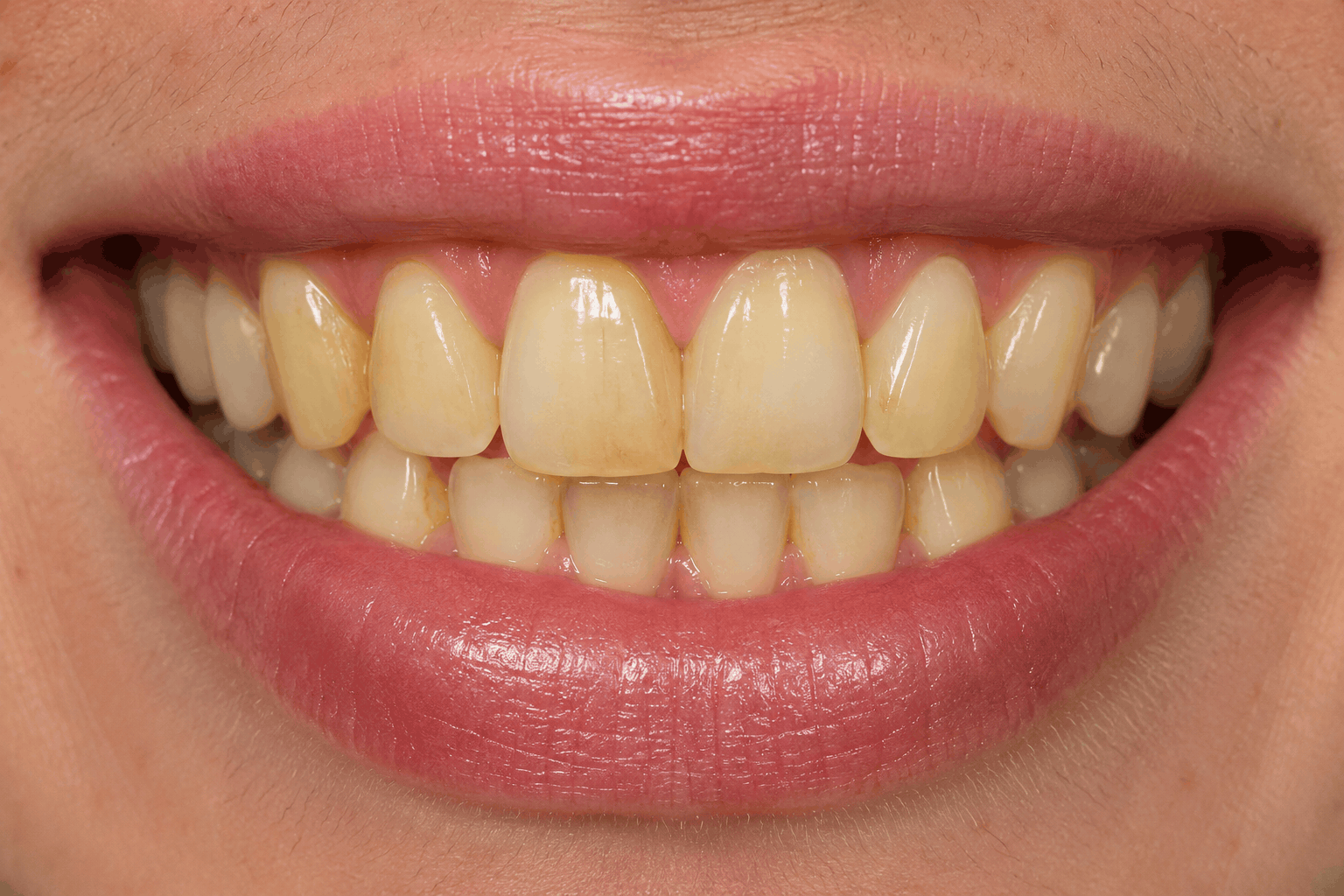
Oral Surgery Before & After