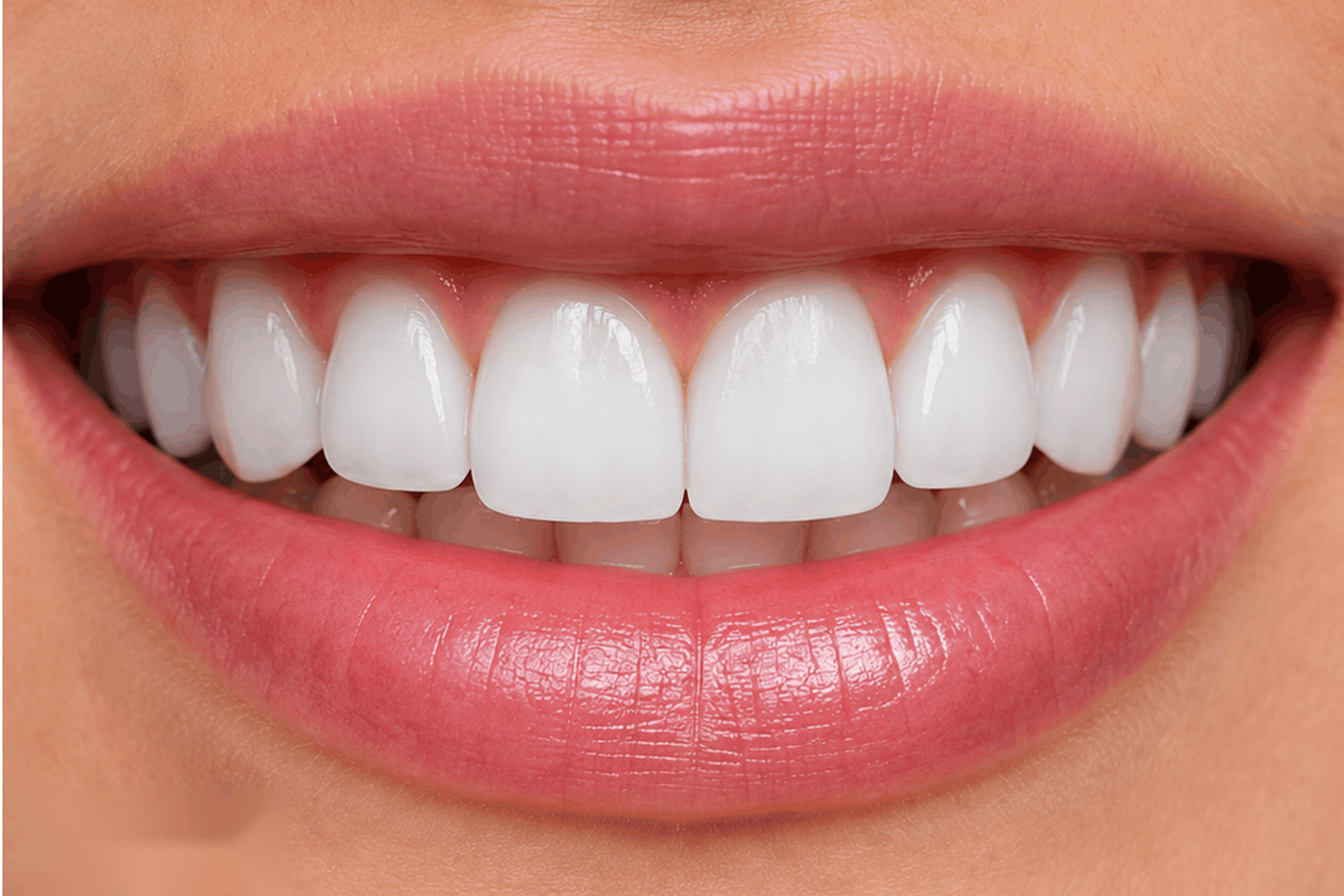
Professional Dental Crowns in Huntington Park, CA

Restore Strength and Beauty to Your Smile

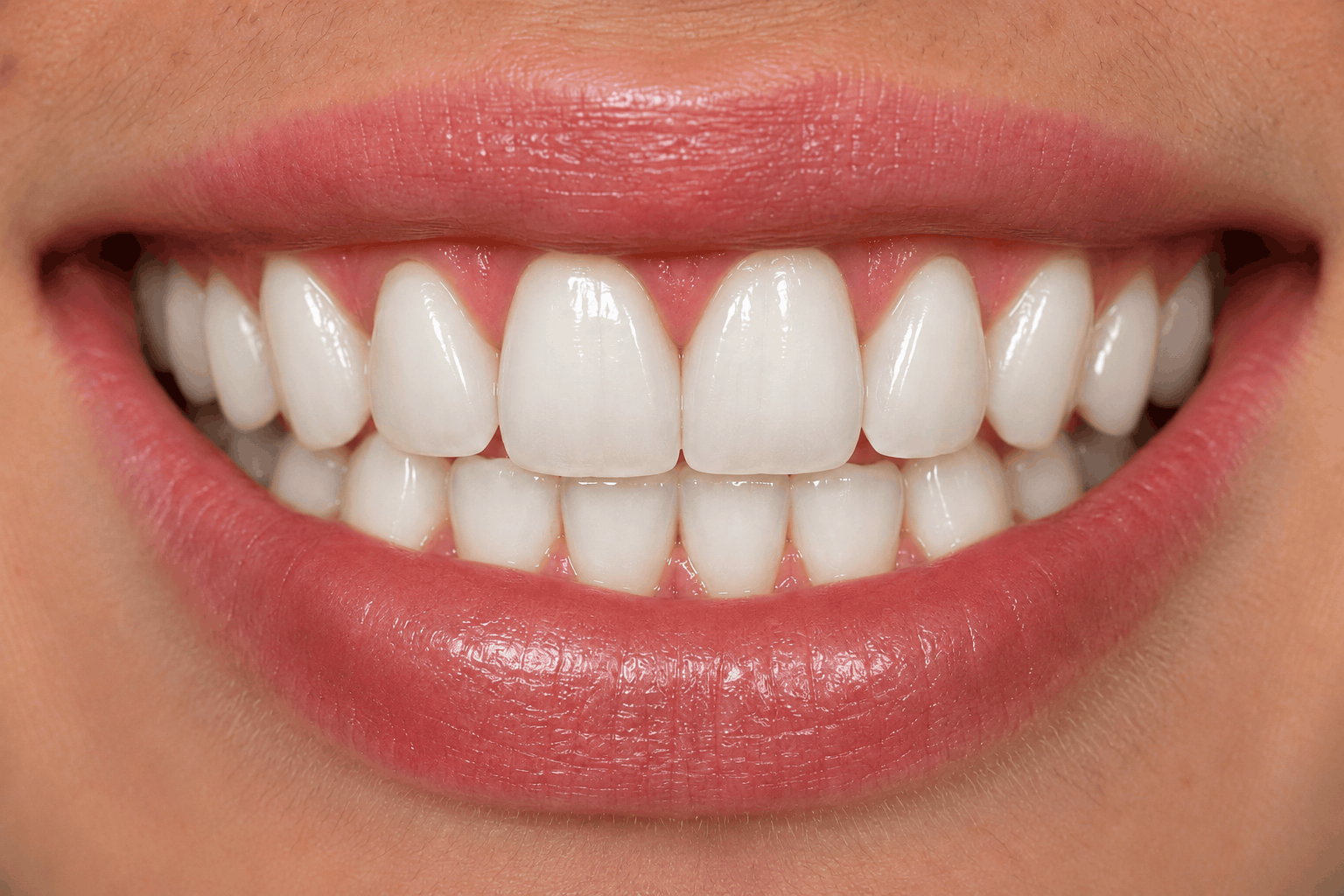
Damaged, weakened, or severely decayed teeth can affect your ability to chew comfortably and feel confident about your smile. At Adams Family Dentistry, we offer dental crown treatment to help restore the strength, function, and appearance of compromised teeth.

What Are Dental Crowns?

A dental crown is a custom-made restoration that covers the visible portion of a damaged or weakened tooth. Often called a tooth crown or cap, it is designed to restore the tooth’s shape, size, strength, and appearance.

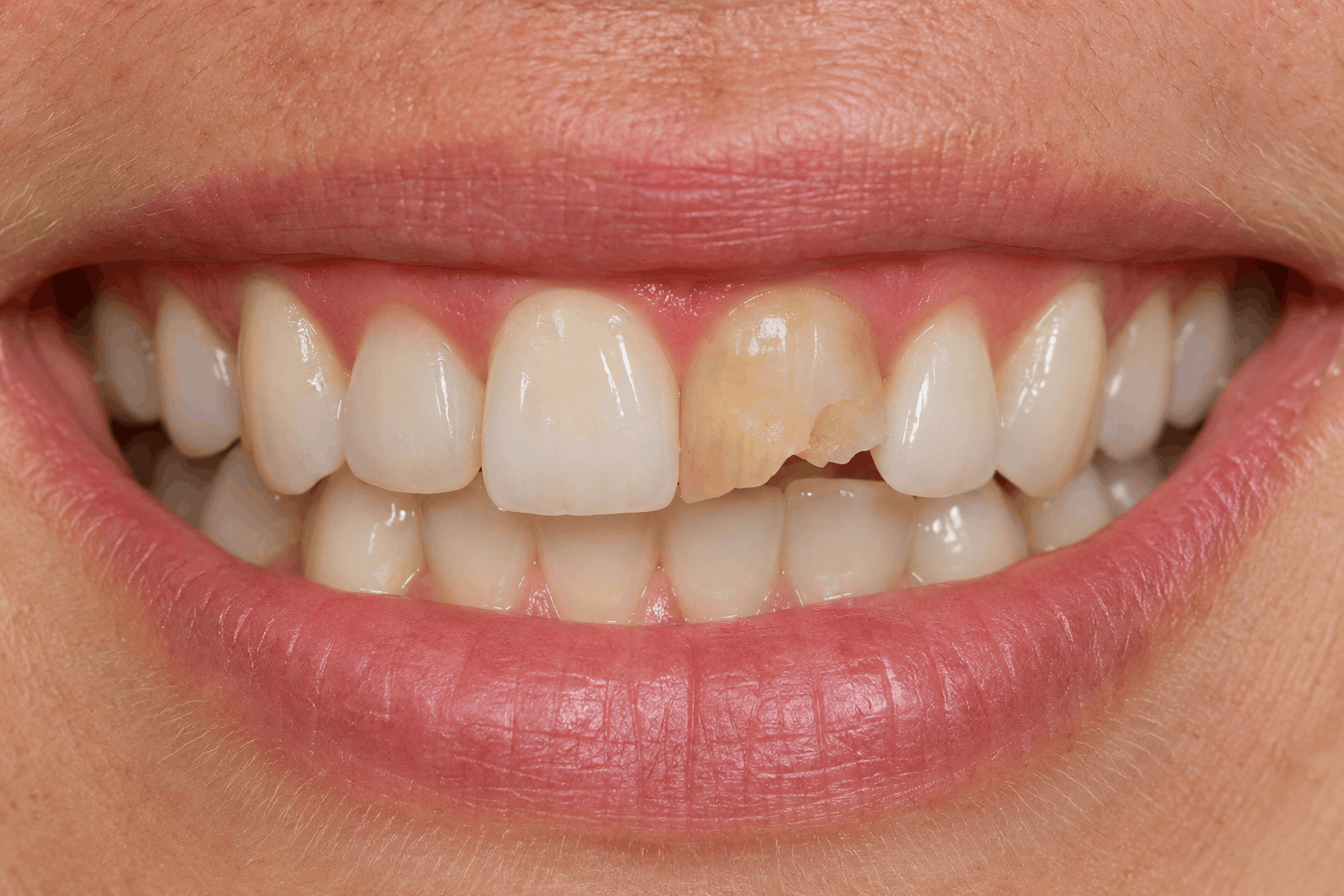
Dental crowns help protect teeth that have been significantly damaged by decay, fractures, or extensive dental procedures. They can also improve the appearance of teeth that are severely discolored or misshapen.

At Adams Family Dentistry, we evaluate your dental condition and discuss suitable crown options based on your oral health, functional needs, and smile goals.

Dentist explaining dental implants and tooth replacement

Why Dental Crowns

Benefits of Professional Dental Crowns

A damaged tooth does not always need to be removed. In appropriate cases, a dental crown can help preserve the remaining tooth structure while restoring its function and appearance.

Restores Strength and Function

Dental crowns cover and protect weakened tooth structures, helping restore chewing function and providing support for everyday use.

Enhances Your Smile's Appearance

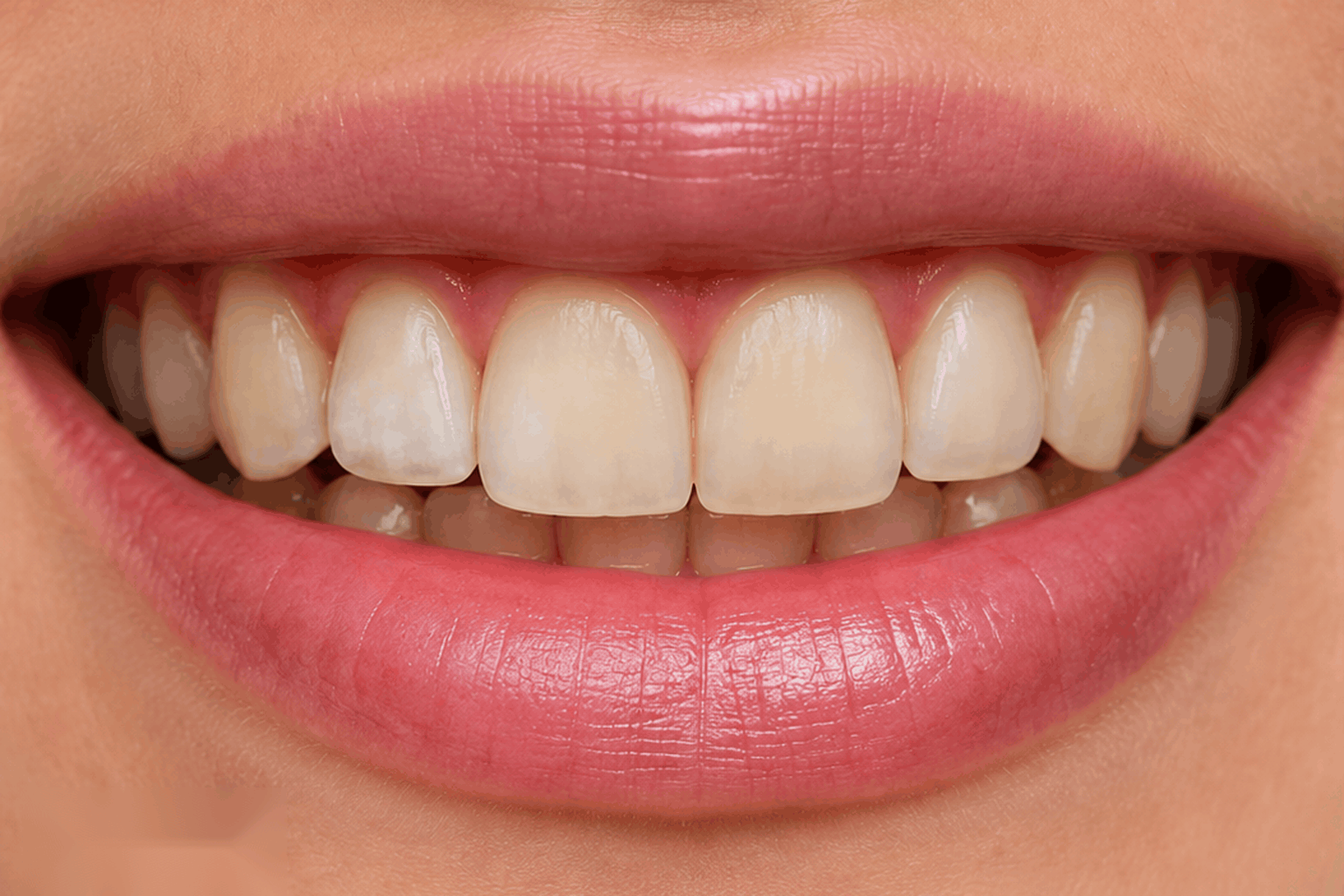
Custom tooth crowns can be designed to complement the color, shape, and size of surrounding teeth for a natural-looking smile.

Provides Long-Lasting Protection

Dental crowns help protect compromised teeth from further damage. With proper oral hygiene and regular dental checkups, crowns can provide many years of service.

Supports Overall Oral Health

By restoring damaged teeth and protecting remaining tooth structure, dental crowns can help maintain proper chewing function and support your overall dental health.

When Is a Dental Crown Needed?

Not every damaged tooth requires a dental crown. However, when a tooth has lost significant structure or needs additional protection, a crown may be recommended.

You may benefit from a dental crown if you have:

Your dentist will examine your tooth and recommend the most appropriate treatment based on the extent of the damage and your individual needs.

Crowns Types

Types of Dental Crowns

Porcelain Crowns

Designed to provide a natural-looking appearance that blends with surrounding teeth.

Ceramic Crowns

Tooth-colored restorations that can offer an aesthetic option for visible teeth.

Metal Crowns

Made from dental alloys and valued for their strength and durability.

Porcelain-Fused-to-Metal Crowns

Combine a metal structure with a porcelain exterior to balance strength and appearance.
How We Do That

What Happens During a Dental Crown Procedure?

Getting a dental crown typically involves several steps to prepare the affected tooth and create a restoration that fits comfortably.
  1. 01

    Examination and Preparation

    Your dentist examines the affected tooth, evaluates its condition, and determines whether a dental crown is appropriate. The tooth is then prepared to accommodate the restoration.

  2. 02

    Dental Impressions

    Impressions or digital scans are taken to help create a custom crown that fits your prepared tooth and works with your bite.

  3. 03

    Temporary Crown

    When needed, a temporary crown is placed to protect the prepared tooth while your permanent restoration is being made.

  4. 04

    Final Crown Placement

    Once your custom dental crown is ready, your dentist checks its fit, shape, and bite before securing it in place.

Proven Results

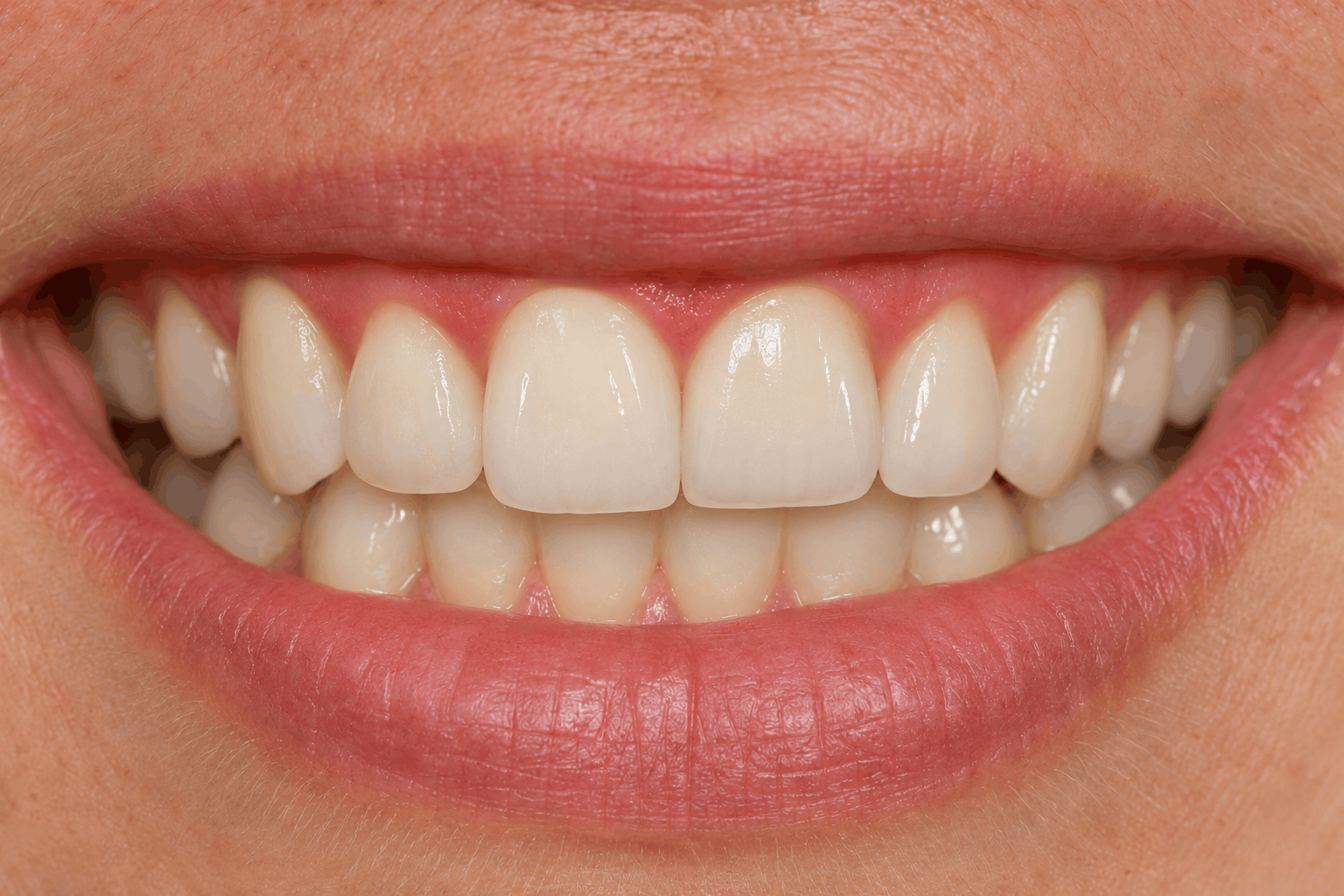
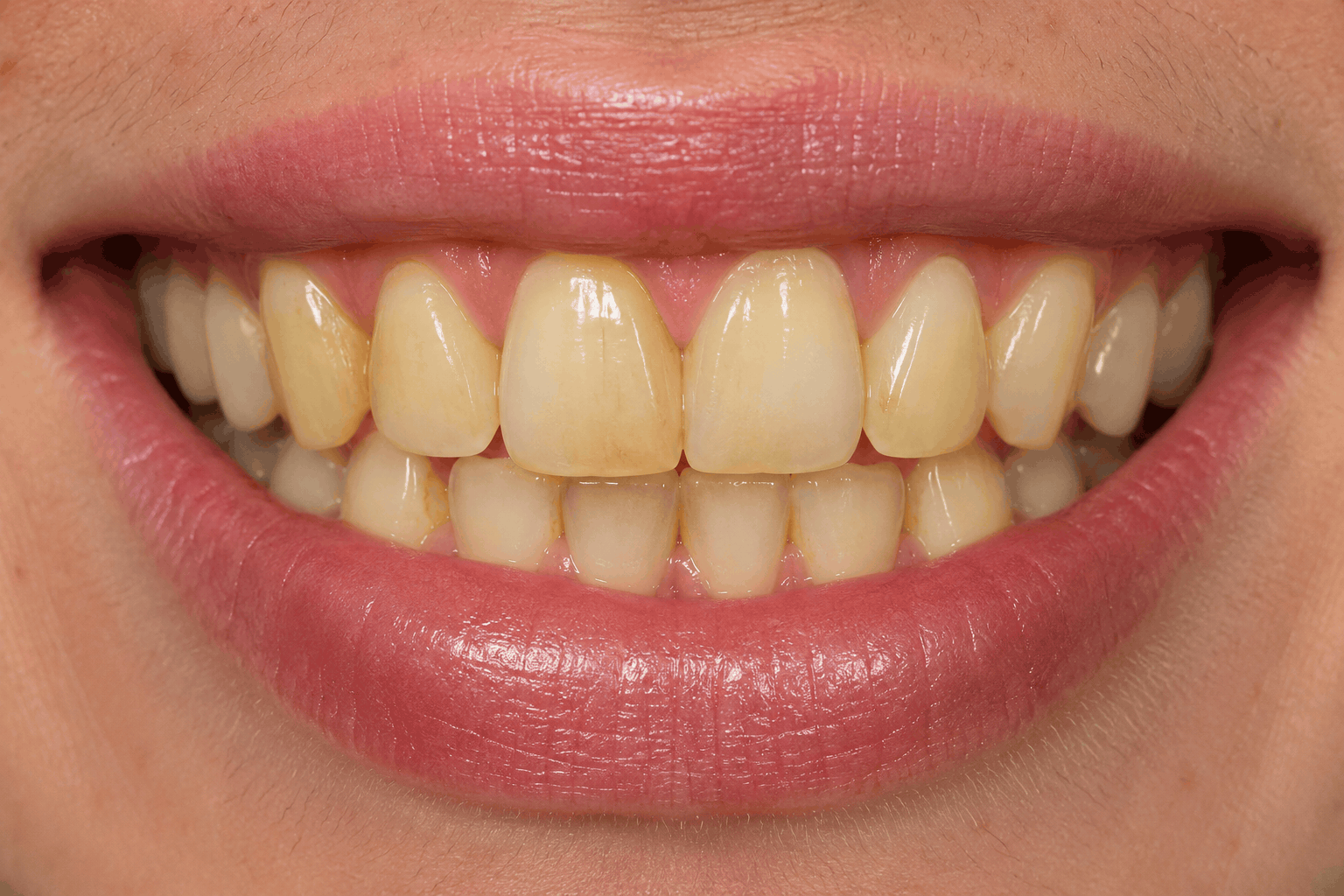
Dental Crown Before & After

Everything You Need to Know

Frequently Asked Questions

How long do crowns last?
Dental crowns can last many years with proper care. Their lifespan depends on the crown material, oral hygiene habits, bite pressure, and regular dental maintenance. Avoiding habits such as chewing ice or biting hard objects can help protect your crown.
Yes. Many modern dental crowns are made from tooth-colored materials such as porcelain and ceramic. They can be customized to complement the appearance of your surrounding teeth.
The tooth preparation process is generally performed using local anesthesia to help manage discomfort. Some sensitivity or mild soreness may occur after treatment, but this typically improves over time. Contact your dentist if discomfort persists or worsens.
A dental filling repairs a specific area of a tooth affected by decay or minor damage. A dental crown covers the visible portion of the tooth and is generally recommended when more extensive protection or restoration is needed.
Yes. Depending on the tooth’s condition, a dental crown may be recommended after root canal treatment to restore strength and protect the remaining tooth structure.

Care for a dental crown much like your natural teeth. Brush twice daily, floss regularly, attend routine dental checkups, and avoid chewing very hard objects. Good oral hygiene also helps protect the gum tissue surrounding your crown.

Dental crowns are suitable for many patients with damaged or weakened teeth, but they are not the right solution for every dental condition. Your dentist will evaluate your tooth and discuss appropriate treatment options.

Protect and Restore Your Smile Today

A damaged or weakened tooth does not have to compromise your smile. Dental crowns can help restore tooth strength, improve appearance, and support comfortable everyday function.
If you’re considering dental crowns in Huntington Park, CA, Adams Family Dentistry is here to help you explore your treatment options.